
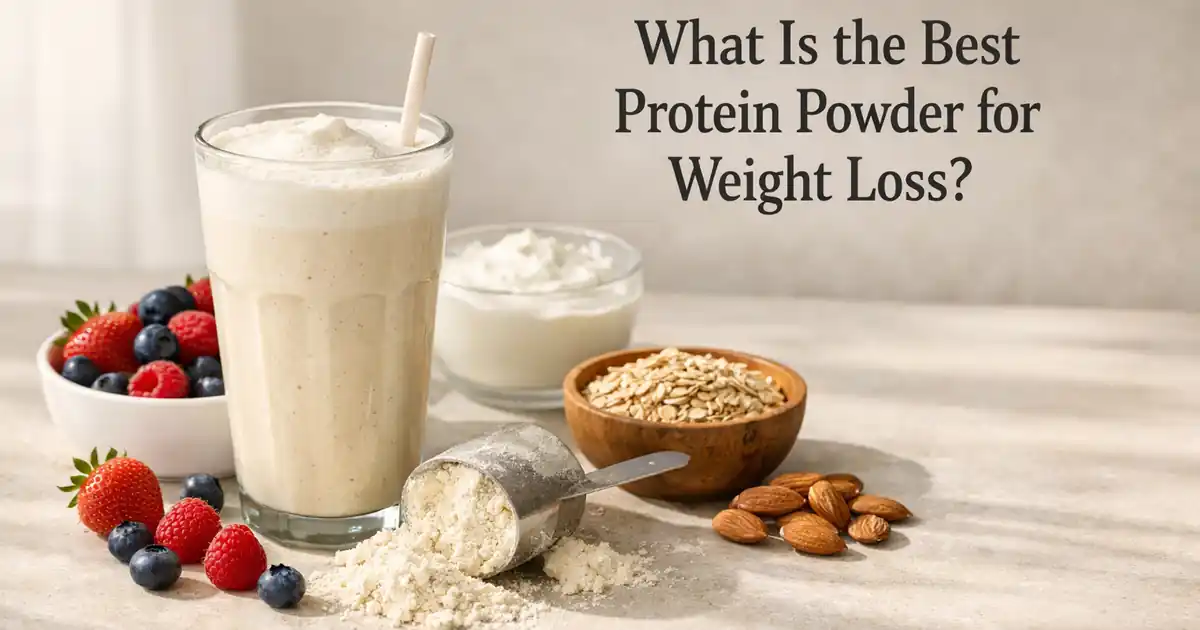
The best protein powder for weight loss is one that helps you meet your daily protein requirements without adding unnecessary calories. Whey isolate, whey concentrate, soy, and pea protein are useful choices. Your decision should depend on your diet, budget, digestion, and fitness goals rather than advertising claims.
Key Takeaways
- Whey isolate is a convenient option for people who want concentrated dairy protein.
- Whey concentrate offers a practical alternative, often at a lower price.
- Soy and pea protein are useful choices for people avoiding dairy.
- Protein supports muscle maintenance and can help manage hunger during a calorie-controlled diet.
- No protein powder directly removes belly fat or guarantees weight loss.
- Women and men can generally use the same protein sources.
- Adults over 50 should pay attention to maintaining muscle through nutrition and exercise.
- Ordinary foods can meet protein requirements without purchasing supplements.
Why Protein Matters When You’re Trying to Lose Weight
Think about a typical weight-loss attempt. Someone cuts portion sizes, skips snacks, and replaces a regular breakfast with coffee. The scale starts moving, but a few weeks later, hunger becomes difficult to manage. Exercise feels harder, too.
This is where paying attention to protein can make a difference.
Protein provides amino acids that your body needs to maintain and repair tissues, including muscles. During a calorie deficit, getting enough protein can help limit the loss of lean tissue, particularly when combined with resistance exercise.
It can also make meals more satisfying. Compared with some carbohydrate-rich or fat-rich foods, protein generally produces a stronger feeling of fullness. That doesn’t mean a protein-heavy diet automatically leads to weight loss, but it can make a calorie-controlled routine easier to follow.
Protein Supports Muscle During Fat Loss
Your body doesn’t always lose only fat when you reduce your food intake. Some lean tissue can also be lost, especially when calorie restriction is aggressive and protein intake is inadequate.
Keeping protein intake sufficient and performing strength exercises can help protect muscle.
This matters for someone who wants to become stronger and improve body composition rather than simply reach a lower number on the weighing scale.
It Can Help Make Meals More Satisfying
A breakfast containing eggs or Greek yogurt may keep you satisfied longer than a breakfast consisting mainly of refined carbohydrates.
A protein shake can provide similar convenience when preparing a full meal isn’t practical.
Still, hunger is influenced by several factors, including sleep, food volume, fiber, stress, and individual appetite. Protein is one useful part of the picture, not the entire solution.
Protein Powder Is Not a Fat-Burning Supplement
This distinction is important because supplement advertising sometimes blurs the line.
Protein powder supplies nutrients. It doesn’t selectively burn abdominal fat, remove fat from your thighs, or make your body use stored fat simply because you drink it.
Weight loss requires an appropriate energy deficit maintained over time. A protein shake can support your nutritional plan, but its calories must still be included in your daily intake.
Research also suggests that the effect of higher protein intake depends on the overall dietary pattern and energy balance. The German Nutrition Society’s evidence review discusses the limitations of evidence comparing different protein amounts and sources.
Comparing Different Protein Powders
Walk into a supplement shop, and you’ll probably find several containers claiming to offer the perfect formula. Some are made from milk, some from plants, and others from eggs.
The differences are worth understanding before you spend money.
Whey Protein Isolate
Whey isolate is produced from milk and processed to concentrate its protein content.
Compared with whey concentrate, it generally contains less lactose and fat. This makes it a convenient option for people who want a concentrated dairy-based supplement.
It is particularly useful when you want to add protein without consuming a large serving of food.
However, whey isolate isn’t suitable for someone with a milk protein allergy. People with lactose intolerance may tolerate it better than concentrate, but individual responses vary.
Whey Protein Concentrate
Whey concentrate is another widely available dairy-based supplement.
It generally contains more lactose, fat, and carbohydrates than isolate. The exact amounts depend on the manufacturer and processing method.
For many people, concentrate is perfectly adequate. It can also be more affordable, which matters if you’re planning to use protein powder regularly.
Rather than assuming isolate is always superior, compare the actual nutrition labels.
Casein Protein
Casein is a milk protein that digests more slowly than whey.
Some people prefer mixing it into yogurt or drinking it as an evening snack because of its thicker texture and slower digestion.
It can be useful for increasing daily protein intake, but there is no reason to believe that consuming casein before sleeping automatically increases fat loss.
Soy Protein
Soy protein is one of the most practical plant-based alternatives to dairy.
It contains all nine essential amino acids, making it a complete protein source. This is particularly useful for vegetarians and people who avoid milk products.
Soy isolate is also relatively concentrated, so you can obtain a useful amount of protein without consuming a large serving.
People with soy allergies should avoid it.
Pea Protein
Pea protein is generally made from yellow peas and is suitable for many people who avoid dairy.
Its amino acid profile differs from whey and soy. Some manufacturers combine pea protein with rice protein to create a blend with complementary amino acid contributions.
For someone following a vegan diet, this can be a convenient addition to meals.
Egg White Protein
Egg white protein provides essential amino acids without using milk.
It may suit people who want an alternative to whey but still consume animal products.
However, it isn’t appropriate for people with egg allergies or those following a vegan diet.
Quick Comparison
| Protein source | Main advantage | What to consider |
|---|---|---|
| Whey isolate | Concentrated dairy protein | Usually costs more |
| Whey concentrate | Convenient and economical | More lactose |
| Casein | Slower digestion | Milk-derived |
| Soy | Complete plant protein | Soy allergy |
| Pea | Dairy-free option | Amino acid profile |
| Pea and rice | Complementary plant sources | Check serving size. |
| Egg white | Dairy-free animal protein | Egg allergy |
No single source has been established as the universal winner for weight reduction. Total protein intake, calorie balance, exercise, and consistency matter considerably.
How to Select a Protein Powder Without Wasting Money
A good purchase starts with the nutrition label, not the front of the container.
Two products may look similar but provide different amounts of protein, calories, and added ingredients.
Start With the Serving Size
Check how much powder the manufacturer considers one serving.
A scoop containing 30 grams of powder doesn’t necessarily provide 30 grams of protein. The remaining weight may come from flavorings, sweeteners, and other ingredients.
For many adults, a serving providing approximately 20–30 grams of protein is a convenient way to supplement meals. Your actual requirement depends on your body weight and daily diet.
Pay Attention to Added Sugar.
Some flavored products contain added sugar to improve taste.
That doesn’t automatically make them unsuitable, but it is worth checking how much sugar and how many calories you’re getting.
If two products provide similar protein amounts, the one with fewer unnecessary extras may be more convenient for a calorie-controlled diet.
Read the Ingredients
Look for the primary protein source and check for ingredients you may need to avoid.
People with food allergies should pay particular attention to milk, soy, egg, and other allergen information.
Be cautious with products that combine protein with stimulant ingredients or make dramatic promises about metabolism and rapid fat loss.
Consider Independent Product Testing
Supplement quality is another consideration.
Where available, independent testing programs such as NSF Certified for Sport can provide additional information about a product’s contents and screening.
Certification doesn’t mean a supplement will produce better weight-loss results. It provides another way to assess product quality.
In the United States, the FDA does not approve dietary supplements for safety and effectiveness before they are marketed. Consumers can read the FDA’s supplement guidance before making a purchase.
Choosing Protein Powder for Women and Men

A common mistake is assuming that women need a completely different formula from men.
Most people can choose from the same basic protein sources. Their individual requirements differ because of body size, activity, age, training, and overall nutrition.
Protein Powder for Women Who Want to Lose Weight?
Women who want to reduce body fat can consider whey isolate, whey concentrate, soy, or pea protein.
The most suitable option depends on whether dairy is part of their diet and how well they tolerate different ingredients.
There is no nutritional advantage to purchasing a product simply because the packaging says it is designed for women.
Protein Powder for Women Who Want Toning?
A firmer appearance usually involves two goals: reducing excess body fat and maintaining or developing muscle.
Protein supports the muscle-maintenance side of this process. Resistance training provides the stimulus that encourages muscles to adapt.
For example, a woman who does strength exercises three times a week may use a protein shake after training if her regular meals don’t provide enough protein.
The shake is convenient, but the training and overall diet do the real work.
Protein Powder for Women Over 50
Maintaining strength and muscle becomes increasingly important with age.
Women over 50 may benefit from including protein-rich foods throughout the day and staying physically active. Depending on their diet, whey, soy, or a suitable plant-based powder can help fill nutritional gaps.
Age alone doesn’t mean everyone needs a supplement. If you already get enough protein from meals, adding another serving may not help.
Anyone with kidney disease or another relevant medical condition should discuss appropriate protein intake with a healthcare professional.
Protein Powder for Men
Men looking to lose weight while maintaining muscle can use the same protein categories.
Whey isolate may be convenient for someone who consumes dairy, while concentrate can be a more economical choice. Soy and pea protein are useful for people who prefer plant-based nutrition.
The decision should be based on the nutrition label and individual requirements, not claims that a particular product is specially formulated for men.
Best Vegetarian Protein Powder for Weight Loss
Vegetarians have plenty of options. They don’t need to depend on whey or other dairy-based products.
Soy isolate is a particularly practical choice because it provides all nine essential amino acids. Pea protein is another option, while pea-rice combinations can offer complementary amino acid profiles.
Food choices matter, too.
Lentils, chickpeas, kidney beans, tofu, tempeh, soy milk, eggs, Greek yogurt, and cottage cheese can all contribute to daily protein intake.
A simple example is a lunch containing lentils and yogurt, followed by tofu or eggs at dinner. Depending on portion sizes, these meals can provide a substantial amount of protein without requiring a supplement.
If your diet already meets your protein needs, buying a powder is optional.
Best Protein Powder for Weight Loss in Pakistan
Shopping for protein supplements in Pakistan requires a little more attention to the seller and product packaging.
Imported products are often promoted through gyms, social media, and online stores. However, a higher price doesn’t automatically mean better quality.
Before purchasing, check the seal, batch number, manufacturing date, expiry date, ingredient list, and importer details. Prefer reputable retailers or authorized distributors.
Also compare the amount of actual protein per serving. A product that looks affordable may provide less protein than another option once you account for serving size.
For people who want to keep expenses low, ordinary foods remain useful sources of protein. Eggs, chicken, fish, milk, yogurt, lentils, and chickpeas can all contribute to daily requirements.
You don’t need an expensive imported supplement to follow a sensible nutrition plan.
How Much Protein Do You Need Each Day?
Protein requirements are not identical for everyone.
The basic adult recommended dietary allowance is 0.8 grams per kilogram of body weight per day. People who exercise regularly or follow a calorie-restricted diet may need more, depending on their circumstances.
The 2026 International Society of Sports Nutrition position statement discusses approximately 1.2–1.6 grams per kilogram daily as a useful range for supporting physical activity and body composition in many adults.
For example, a person weighing 70 kilograms would get:
70 × 1.2 = 84 grams
70 × 1.6 = 112 grams
That gives an illustrative range of 84–112 grams per day.
| Body weight | Illustrative protein range |
|---|---|
| 50 kg | 60–80 g |
| 60 kg | 72–96 g |
| 70 kg | 84–112 g |
| 80 kg | 96–128 g |
| 90 kg | 108–144 g |
| 100 kg | 120–160 g |
These are examples, not personalized prescriptions. People with obesity, kidney conditions, or special nutritional requirements may need a different calculation.
Spread Protein Across Your Meals
You don’t need to drink three shakes to reach your daily target.
Someone aiming for 100 grams could divide their intake between breakfast, lunch, a snack, and dinner.
| Meal | Example protein |
|---|---|
| Breakfast | 25 g |
| Lunch | 30 g |
| Snack | 20 g |
| Dinner | 25 g |
| Total | 100 g |
The actual foods and portions can change according to your preferences.
Do You Need a Shake Immediately After Exercise?
Not necessarily.
Your total daily protein intake matters more than drinking a shake within a very narrow post-workout window.
If you’ve eaten a protein-rich meal and won’t be hungry for several hours, there may be no reason to drink another shake.
A shake can still be convenient when your next proper meal is some time away.
Simple Ways to Add Protein Powder to Your Routine
Protein powder doesn’t need an elaborate recipe.
Mix one serving with water or unsweetened milk alternative for a simple shake. Add ice if you prefer it cold.
If you want a thicker drink, blend it with berries or a small portion of oats. Just remember that extra ingredients contribute calories.
You can also stir unflavoured protein powder into suitable foods, depending on the product’s instructions and how it behaves when mixed.
Choose a time that works with your normal eating schedule. Breakfast, an afternoon snack, and post-exercise are all reasonable possibilities.
Mistakes That Can Make Protein Supplementation Less Useful
Even a suitable protein powder can become an unnecessary expense when used incorrectly.
Replacing normal meals: A basic shake doesn’t provide the full range of nutrients found in a varied diet. Continue eating vegetables, fruits, whole grains, and other protein sources.
Ignoring calories: Peanut butter, honey, full-fat milk, and other smoothie additions can increase the energy content considerably.
Buying based on popularity: Social media recommendations don’t prove that a product works better. Check the nutritional label and available independent testing.
Expecting exercise-free results: Protein provides nutrients for muscle maintenance, but regular resistance exercise remains important for strength and body composition.
Consuming excessive amounts: More protein isn’t automatically better. Aim for an appropriate daily amount instead of continually increasing your intake.
Is Protein Powder Safe for Everyone?
Many healthy adults can use protein supplements appropriately, but some people need individual advice.
People with chronic kidney disease may need to adjust their protein intake according to their kidney function and treatment. The National Institute of Diabetes and Digestive and Kidney Diseases guides managing nutrition with kidney disease.
People with milk, egg, or soy allergies should avoid products containing those allergens.
Pregnant or breastfeeding women and people taking medication should check with an appropriate healthcare professional before introducing supplements.
If a product causes persistent digestive discomfort or an unusual reaction, stop using it and seek appropriate advice.
Make Better Nutrition Decisions With Fit4rEver
Choosing a protein supplement is easier when you understand what your body needs in the first place.
Fit4rEver provides health, fitness, and nutrition information designed to make research easier to apply in everyday life.
You can explore its collection of free fitness calculators and educational resources to better understand your nutritional requirements.
The About Fit4rEver page explains the site’s approach to research-backed guidance, transparent limitations, and practical health information.
Rather than following every new supplement trend, start with your daily food intake, activity level, and realistic fitness goals. A useful nutrition routine should fit your life, not become another complicated task.
Final Thoughts
Choosing a protein supplement doesn’t need to be difficult. Whey isolate, whey concentrate, soy, and pea protein can all be useful, provided they fit your dietary preferences and nutritional requirements.
Before buying anything, look at what you’re already eating. If your meals provide enough protein, you may not need a powder at all.
If they don’t, choose a product with a suitable protein content, reasonable calories, clear ingredients, and reliable quality information.
A sensible diet, regular movement, and consistent strength training will matter far more than purchasing the most expensive container on the shelf.
Frequently Asked Questions
1. Which protein powder is best for weight loss female?
Whey isolate is a convenient option for women who tolerate dairy and want concentrated protein. Soy and pea protein are useful plant-based alternatives. Compare calories, protein per serving, ingredients, and personal tolerance before choosing a supplement.
2. What is the best protein powder for weight loss male?
Whey isolate, whey concentrate, and soy protein can all support men’s daily protein requirements. The right option depends on body weight, exercise, digestion, and dietary preferences. Regular resistance training and suitable calorie intake remain important.
3. What is the best vegetarian protein powder for weight loss?
Soy isolate and pea-rice blends are useful vegetarian and vegan options. They provide concentrated plant protein without requiring dairy. Check the essential amino acid profile, serving size, and protein content before purchasing a supplement.
4. Which protein powder is suitable for women over 50?
Whey, soy, and suitable plant-based protein powders can help women over 50 meet their protein requirements. Maintaining muscle through balanced meals and strength exercises is equally important. Individual needs may vary with age and health conditions.
5. Can protein powder help with weight loss and muscle gain?
Protein powder can support muscle maintenance and development when combined with appropriate nutrition and resistance training. Fat loss still requires a suitable calorie deficit. Results depend on your training experience, consistency, recovery, and total daily protein intake.
6. What do people recommend for protein powder on Reddit?
Reddit discussions often include personal opinions about taste, price, digestion, and mixing quality. These experiences can help with shopping comparisons, but they cannot establish which supplement produces better fat-loss results. Check scientific evidence before making a decision.
7. Which protein powder is suitable for weight loss in Pakistan?
Whey isolate, whey concentrate, soy, and pea protein are possible options. Purchase from reputable sellers and verify packaging, expiry dates, batch details, and nutritional information. Eggs, chicken, fish, yogurt, and lentils are also useful protein sources.
8. Do I need protein powder to lose weight?
No. You can meet your protein requirements through eggs, fish, chicken, dairy products, tofu, beans, and lentils. Supplements are optional and mainly provide convenience when regular meals don’t supply enough protein.
