
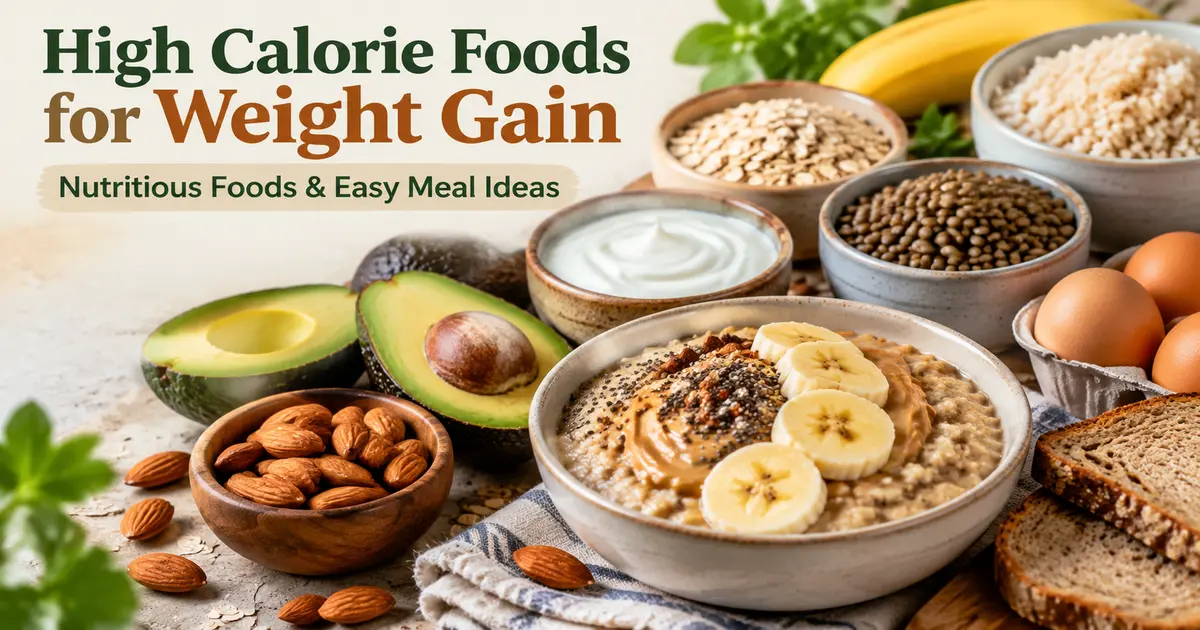
High Calorie Foods for Weight Gain: 14 Healthy Ideas
Finding the right high calorie foods for weight gain can make everyday eating easier. If you have a small appetite, a busy schedule, or trouble eating enough, choosing foods that provide more energy in a reasonable serving may help.
You do not need expensive supplements or complicated recipes to get started. Everyday foods such as peanut butter, oats, eggs, rice, nuts, yogurt, and avocados can provide energy along with important nutrients.
In this guide, you will discover high calorie foods for weight gain, compare their approximate calories and protein, and learn how to use them in simple meals. You will also find budget-friendly options, vegetarian alternatives, and practical tips for people who prefer smaller meals.
What Are High-Calorie Foods?
High-calorie foods provide a relatively large amount of energy in a serving. Many also supply protein, carbohydrates, fats, vitamins, and minerals.
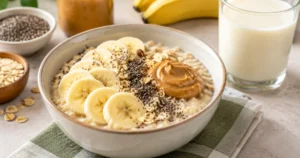
For example, plain oatmeal provides carbohydrates and fiber. Adding milk, banana, and peanut butter increases its energy content and provides additional nutrients without requiring a much larger bowl.
However, high-calorie does not automatically mean nutritious. Some foods provide plenty of energy but relatively few essential nutrients. Others offer a useful combination of calories, protein, fiber, and healthy fats.
If your goal is to gain weight for health reasons, focus on a balanced diet that meets your individual needs. Eating more calories does not mean you need to rely mainly on sweets, sugary drinks, or fried foods.
14 Best High Calorie Foods for Weight Gain
The best high calorie foods for weight gain are not necessarily the foods with the highest calorie counts. It is also important to consider protein, other nutrients, serving size, cost, and your personal preferences.
Here are 14 practical options to include in your meals.
1. Peanut Butter
Peanut butter is an easy way to add energy to everyday meals. It contains fats and protein, along with several vitamins and minerals.
Two tablespoons provide approximately 190 calories and 7 grams of protein, although values vary by brand.
Try spreading peanut butter on whole-grain toast, stirring it into oatmeal, or blending it into a banana smoothie.
For example, if you usually eat plain oatmeal for breakfast, adding peanut butter and sliced banana can make it more substantial without changing your morning routine.
If you have a peanut allergy, choose a suitable alternative that is safe for you.
2. Nuts and Seeds
Almonds, walnuts, cashews, pumpkin seeds, and sunflower seeds provide energy, fats, and other nutrients.
A 28-gram serving of almonds contains approximately 165 calories and 6 grams of protein.
You can eat nuts as a snack or add them to other foods. Sprinkle chopped walnuts over oatmeal, mix seeds into yogurt, or add them to a homemade snack.
Nuts and seeds can be useful when you want to add variety without preparing another full meal. Always consider allergies and check product labels when necessary.
3. Whole Milk and Yogurt
Whole milk provides protein, calcium, and energy. One cup contains roughly 150 calories and 8 grams of protein.
Plain yogurt is another practical option. Greek yogurt may provide more protein, depending on the product.
Drink milk with breakfast, combine yogurt with oats and fruit, or use plain yogurt in sauces and dips.
If you avoid dairy, fortified soy milk and soy yogurt may be suitable alternatives. Compare labels because calorie, protein, and calcium content can differ considerably.
4. Avocados
Avocados contain mostly unsaturated fats, along with fiber and other nutrients.
A 100-gram portion provides approximately 160 calories, although values vary by variety and serving size.
Spread mashed avocado on toast, add it to an egg sandwich, or serve it with rice and beans. You can also combine avocado with vegetables and a protein source to create a more substantial meal.
5. Eggs
Eggs provide protein and several important nutrients. Two large eggs contain approximately 145 calories and 13 grams of protein.
They are quick to prepare, making them useful when you have little time to cook.
Try boiled eggs with toast, an omelet with cheese, or scrambled eggs with potatoes. For a balanced meal, combine eggs with whole-grain bread and vegetables.
6. Oats
Oats are affordable, versatile, and easy to prepare. They provide carbohydrates, fiber, and some protein.
A 40-gram serving of dry oats contains roughly 150 calories and 5 grams of protein.
You can prepare oatmeal with milk, add fruit, or stir in nut butter if tolerated. Overnight oats are another option when you want breakfast ready before the day begins.
Oats can also be used in homemade snacks and smoothies.
7. Rice
Rice is a staple in many cuisines and pairs well with a wide range of ingredients.
One cup of cooked white rice contains approximately 200 calories and 4 grams of protein. The exact amount depends on the variety and preparation method.
Rice becomes a more varied meal when you combine it with lentils, beans, eggs, tofu, fish, or chicken.
For example, rice with lentils and vegetables provides carbohydrates, plant-based protein, and fiber. Adding a little olive oil can increase the energy content of the meal.
8. Pasta
Pasta provides carbohydrates and can be combined with protein sources, vegetables, and fats.
Try pasta with olive oil, tomato sauce, cheese, and beans. You could also serve it with chicken or tofu and vegetables.
The final calorie content depends on the portion size, ingredients, and cooking method. Whole-grain pasta is another option if you want more fiber.
9. Olive Oil
Olive oil is rich in unsaturated fats. One tablespoon contains approximately 120 calories.
Because it is energy-dense, a small amount can increase the energy content of a meal without adding much volume.
Drizzle olive oil over cooked vegetables, stir it into rice, or use it in salad dressings. You can also add a little to a bowl of lentils and rice for an easy meal variation.
10. Cheese
Cheese provides protein, calcium, and fat. Its nutritional content varies by type.
A 28-gram serving of cheddar contains roughly 110–115 calories and around 7 grams of protein.
Add cheese to an omelet, sandwich, baked potato, or pasta dish. It can also be served with bread or crackers for a simple snack.
If you avoid dairy, check the nutritional labels on plant-based cheese alternatives because their protein and calcium content may differ from dairy cheese.
11. Lentils and Beans
Lentils, chickpeas, and beans provide carbohydrates, fiber, and plant-based protein.
One cup of cooked lentils contains approximately 230 calories and 18 grams of protein.
These foods are versatile and can fit many budgets. Prepare lentil curry with rice, add chickpeas to a wrap, or serve beans with potatoes and vegetables.
You can also add lentils to soups and stews. Cooking a larger batch can save time when you need a quick meal later.
12. Bananas and Dried Fruits
Bananas provide carbohydrates and potassium. One medium banana contains approximately 105 calories.
Dates, raisins, and other dried fruits provide energy in relatively small servings because much of their water has been removed.
Add banana slices to oatmeal, mix raisins into yogurt, or pair dates with another food you enjoy.
Dried fruit can be convenient when fresh fruit is not available, but remember that its energy content is more concentrated.
13. Potatoes
Potatoes are an affordable source of carbohydrates and provide nutrients such as potassium and vitamin C.
Their calorie content depends on the serving size and preparation method. Boiled potatoes, for example, differ from potatoes roasted with oil.
Try baked potatoes with beans and cheese, mashed potatoes with olive oil, or roasted potatoes alongside eggs or fish.
14. Salmon and Other Oily Fish
Salmon and other oily fish provide protein, and many varieties supply omega-3 fatty acids.
Their energy content varies by species, portion size, and cooking method.
Serve salmon with rice and vegetables, add it to a sandwich, or combine canned salmon with potatoes. If you do not eat fish, tofu, beans, lentils, and other suitable protein sources can provide variety.
High-Calorie Foods Compared by Calories and Protein
The following table offers a quick comparison of common foods. Values are approximate and may vary by brand, preparation method, and serving size.
| Food | Serving size | Calories | Protein |
|---|---|---|---|
| Peanut butter | 2 tablespoons | 190 | 7 g |
| Almonds | 28 g | 165 | 6 g |
| Dry oats | 40 g | 150 | 5 g |
| Whole milk | 1 cup (240 ml) | 150 | 8 g |
| Avocado | 100 g | 160 | 2 g |
| Eggs | 2 large | 145 | 13 g |
| Cooked white rice | 1 cup | 205 | 4 g |
| Cooked lentils | 1 cup | 230 | 18 g |
| Cheddar cheese | 28 g | 115 | 7 g |
| Olive oil | 1 tablespoon | 120 | 0 g |
| Banana | 1 medium | 105 | 1 g |
For more precise figures, check product labels or use USDA FoodData Central.
Notice that foods with more calories do not necessarily provide more protein. Olive oil supplies energy mainly from fat, while lentils provide both energy and a substantial amount of plant-based protein.
This is why choosing high calorie foods for weight gain should involve more than comparing calorie counts alone.
Easy Meals Using High Calorie Foods for Weight Gain
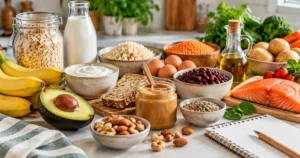
Knowing which foods provide more energy is useful. Knowing how to combine them is even more practical.
Peanut Butter and Banana Oatmeal
Ingredients:
- 40 grams of oats
- Milk or a suitable fortified alternative
- One banana
- Peanut butter, if tolerated
Cook the oats with the milk, then add the sliced banana and peanut butter.
This breakfast provides carbohydrates, some protein, and fats. Adjust the ingredients according to your preferences and appetite.
Eggs, Toast, and Avocado
Ingredients:
- Two eggs
- Whole-grain bread
- Avocado
- Optional vegetables and seasoning
Prepare the eggs in your preferred style. Serve them with toast and sliced or mashed avocado.
This is a useful option when you want a savory breakfast instead of something sweet.
Rice and Lentil Bowl
Ingredients:
- Cooked rice
- Cooked lentils
- Vegetables
- Olive oil or a suitable sauce
- Optional yogurt or another topping
Combine the rice and lentils, add vegetables, and finish with your preferred seasoning.
You can prepare several portions in advance and refrigerate them safely for later meals.
Yogurt, Oats, and Fruit
Ingredients:
- Plain yogurt
- Oats
- Banana or another fruit
- Nuts or seeds, if tolerated
Mix the ingredients in a bowl and add cinnamon if you enjoy the flavor.
This snack requires little preparation and can be adapted to different dietary preferences.
Homemade Banana Smoothie
Ingredients:
- Milk or a suitable fortified alternative
- One banana
- Oats
- Peanut butter or a safe alternative
Blend the ingredients until smooth. Add more liquid if you prefer a thinner texture.
A smoothie can be convenient when solid food feels less appealing. However, persistent appetite problems or difficulty eating enough should be discussed with a healthcare professional.
Affordable High Calorie Foods for Weight Gain
You do not need expensive specialty foods to prepare nourishing meals.
Oats, rice, potatoes, lentils, beans, eggs, peanut butter, and seasonal fruit can be practical choices, depending on local prices and dietary needs.
Here are a few ways to make food shopping easier:
- Choose ingredients that work in several meals.
- Compare prices per serving.
- Use dried or canned beans and lentils when they suit your budget and cooking routine.
- Buy seasonal produce when it is affordable.
- Prepare a few basic ingredients in advance to save time.
For example, oats can be used for breakfast, overnight oats, and homemade snacks. Lentils can be used in soups, curries, and rice dishes.
The best shopping list is one that suits your budget, storage space, cooking skills, and food preferences.
High Calorie Foods for Weight Gain With Different Dietary Needs
You can build a varied diet around your preferences without relying on one particular ingredient.
Vegetarian Foods
Vegetarians who eat eggs and dairy can include milk, yogurt, cheese, eggs, grains, nuts, seeds, and legumes.
Oatmeal with milk and nuts makes a practical breakfast. Lentil curry with rice is another option.
Vegan Foods
Vegan diets can include oats, rice, pasta, avocados, olive oil, lentils, chickpeas, beans, tofu, and suitable fortified plant-based alternatives.
Check labels when choosing plant-based products. Some provide amounts of protein and calcium similar to dairy products, while others contain considerably less.
People following a vegan diet should also pay attention to nutrients such as vitamin B12 and seek professional guidance if they are unsure how to meet their nutritional needs.
Dairy-Free Foods
Suitable choices may include oats, avocado, olive oil, tofu, beans, lentils, and fortified plant-based alternatives.
If you avoid dairy because of lactose intolerance, lactose-free dairy products may be an option. However, these products are not suitable for people who must avoid milk proteins because of a milk allergy.
Nut-Free Alternatives
If you cannot eat nuts, you may be able to use foods such as avocado, olive oil, oats, dairy products if tolerated, beans, and lentils.
Seeds may be suitable for some people, but they are not automatically safe for everyone with a nut allergy. Check labels and follow your healthcare professional’s advice.
How to Eat Well When You Have a Small Appetite
Eating more can feel difficult if you become full quickly. Large meals are not the only option.
Try smaller meals more often. Some people find several manageable meals and snacks easier than a few large meals.
Choose foods that are easy to prepare. Yogurt, toast, oatmeal, eggs, and simple rice dishes can save time and effort.
Make familiar meals more nourishing. Add cheese to a potato, olive oil to vegetables, or nut butter to oatmeal if these foods suit your needs.
Keep convenient snacks available. Fruit with yogurt, crackers with cheese, or a suitable homemade smoothie can fit into a busy day.
Pay attention to how you feel. You do not need to force yourself to eat uncomfortable portions. Persistent early fullness or appetite loss deserves medical attention, especially if you also notice unexplained weight changes.
If you regularly struggle to eat enough, a healthcare professional can help identify possible causes and suggest an approach suited to your circumstances.
How to Support Healthy Weight Gain
Healthy weight gain is about more than choosing foods with the most calories.
A balanced diet should provide sufficient energy and a suitable mix of carbohydrates, protein, fats, vitamins, minerals, and fiber.
For adults who want to develop muscle, appropriate strength training, adequate nutrition, and recovery can work together to support that goal. Eating high calorie foods for weight gain alone does not guarantee muscle growth.
Individual calorie requirements vary. Age, activity level, health, and other factors influence nutritional needs, so avoid treating a single calorie target as suitable for everyone.
For general information about healthy weight gain, read the NHS guide to healthy foods and ways to gain weight.
Common Mistakes to Avoid
A few common mistakes can make healthy eating more difficult than it needs to be.
Choosing foods based on calories alone. Calorie content does not tell you everything about a food’s nutritional value. Consider protein, fiber, vitamins, minerals, and the overall balance of your meals.
Relying mainly on sweets and sugary drinks. These foods can provide energy, but they should not replace a varied diet.
Assuming supplements are necessary. Many people can prepare nourishing meals from ordinary foods. Supplements should be considered according to individual needs rather than treated as an automatic requirement.
Ignoring food preferences and allergies. A useful eating plan should fit your circumstances and include foods you can safely eat.
Following a rigid plan without considering your health. An approach that suits one person may not suit another. If you have a medical condition or persistent difficulty eating, seek individualized advice.
Ignoring unexplained weight changes. Unintentional weight loss can have several causes. Do not assume that changing your diet alone will address the underlying problem.
When Should You Seek Professional Advice?
If you are concerned about your weight, a healthcare professional can help you understand whether any change is needed and what approach is appropriate.
Seek medical advice if you experience sudden or unexplained weight loss, persistent appetite loss, ongoing digestive symptoms, or difficulty eating enough.
You should also ask for help if you have a medical condition that affects digestion, appetite, or nutrient absorption.
A registered dietitian can help you choose foods that fit your nutritional needs, budget, culture, and preferences.
The goal is not to reach an arbitrary number on the scale. It is to support your health with an approach that makes sense for your individual circumstances.
Frequently Asked Questions
What are the best high calorie foods for weight gain?
Useful choices include nuts, nut butters, avocados, olive oil, oats, rice, dairy products, eggs, lentils, and other protein sources. The best combination depends on your nutritional needs, dietary preferences, and health.
Which high-calorie foods are rich in protein?
Lentils, eggs, dairy products, tofu, nuts, and fish can provide both energy and protein. Their nutritional values differ, so compare the amount per serving rather than relying on food names alone.
What are the cheapest high calorie foods for weight gain?
Oats, rice, potatoes, lentils, beans, eggs, and peanut butter can be affordable choices in many markets. Prices vary by country and season, so compare the cost per serving in your area.
What can I eat if I have a small appetite?
Smaller meals, yogurt, oatmeal, eggs on toast, and suitable smoothies may be easier to manage than large meals. If your appetite remains low or you feel full unusually quickly, seek medical advice.
Can vegetarians and vegans use high calorie foods for weight gain?
Yes. Vegetarian and vegan diets can include energy-rich foods such as oats, rice, avocado, legumes, tofu, and suitable plant-based alternatives. Variety and adequate nutrient intake remain important.
Do high-calorie foods automatically build muscle?
No. Calories alone do not build muscle. Muscle development depends on several factors, including adequate nutrition, suitable resistance exercise, recovery, and individual circumstances.
How many calories do I need to gain weight?
There is no single number that suits everyone. Needs depend on age, activity, health, and individual energy requirements. A qualified healthcare professional or dietitian can help determine what is appropriate.
Final Thoughts
Choosing high-calorie foods for weight gain doesn’t have to mean changing your entire diet or buying expensive products.
Start with familiar foods you enjoy. Add variety through options such as oats, eggs, rice, lentils, yogurt, nuts, and avocados. Combine ingredients to create meals that suit your appetite, budget, and dietary needs.
Focus on overall nutrition rather than calories alone. If you are concerned about your weight or struggle to eat enough, professional guidance can help you find an approach that supports your health.
