
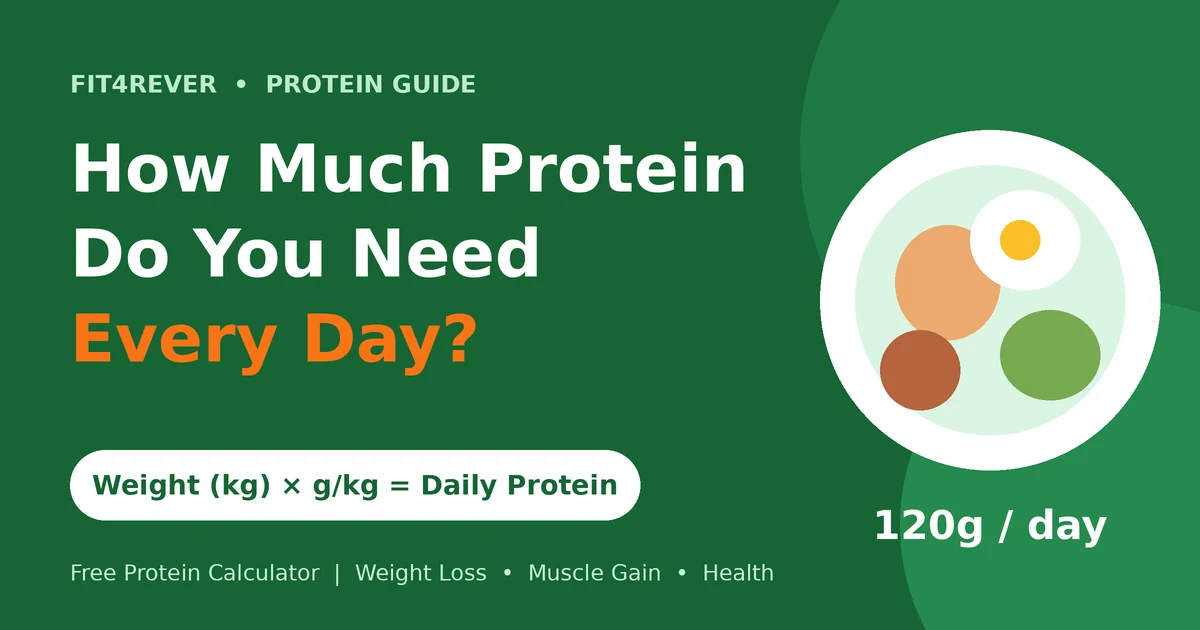
Two people can weigh exactly 70 kg and still need completely different amounts of protein. Here is why.
Protein is one of the most important nutrients your body needs every day. Whether your goal is losing weight, building muscle, improving athletic performance, or maintaining a healthy lifestyle, consuming the right amount of protein can help you achieve better results.
But one common question confuses many people:
“How much protein should I eat every day?”
The answer is different for everyone.
A 25-year-old who lifts weights five days per week will have different protein needs compared with someone who works at a desk and rarely exercises.
This is why using a protein calculator can be helpful.
A protein calculator estimates your daily protein requirement based on factors such as:
- Body weight
- Activity level
- Fitness goal
- Training routine
- Lifestyle
Instead of following random protein recommendations from the internet, you can get a more personalized estimate based on your own body and goals.
For example:
A person weighing 70 kg may need:
- Around 56–70 grams of protein daily for general health
- Around 110–150 grams daily for muscle-building goals
The difference comes from the person’s activity level and objective.
This guide explains how protein calculators work, how much protein you may need, and how to reach your daily target through real foods.
Protein Calculator
Our free protein calculator helps you estimate how much protein your body needs each day.
Your recommended protein intake depends on:
Body Weight
Your body weight is one of the biggest factors affecting protein requirements.
Protein needs are usually calculated using grams of protein per kilogram of body weight.
Example:
A person weighing:
60 kg
with a requirement of:
1.5 grams/kg
would need:
60 × 1.5 = 90 grams of protein per day
- Activity Level
Your daily activity changes how much protein your body requires.
Someone who does not exercise usually needs less protein than someone who performs regular strength training.
General ranges:
| Activity Level | Protein Need |
| Low activity | 0.8–1 g/kg |
| Regular exercise | 1.2–1.6 g/kg |
| Muscle building | 1.6–2.2 g/kg |
| High-performance athletes | 1.6–2.4 g/kg |
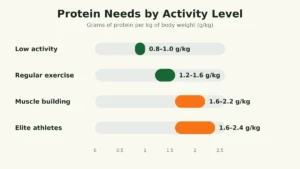
Protein requirements vary depending on your personal situation. General nutrition references commonly use body weight and activity level when estimating protein needs. DGE
Fitness Goal
Your goal is another important factor.
Someone trying to lose fat may increase protein intake to help maintain muscle while reducing calories.
Someone trying to build muscle usually requires more protein because training increases muscle repair demands.
What Is a Protein Calculator?
A protein calculator is an online nutrition tool that estimates your recommended daily protein intake.
Instead of guessing how much protein you need, the calculator uses information about your body and lifestyle to provide a practical target.
A protein calculator can help answer questions like:
- How much protein should I eat daily?
- How many grams of protein do I need?
- How much protein do I need for muscle growth?
- How much protein should I consume while losing weight?
Many people also search for a daily protein calculator because they want a quick way to calculate their personal protein goal.
Protein plays an important role in building and maintaining body tissues, producing enzymes and hormones, and supporting many essential body functions. BZfE
How Does a Protein Calculator Work?
A protein calculator uses your personal information and applies a protein requirement range.
The basic calculation is:
Daily Protein Intake Formula
Body Weight (kg) × Protein Requirement (g/kg) = Daily Protein Needs
Example:
A person weighs:
75 kg
Goal:
Muscle growth
Protein target:
2 grams/kg
Calculation:
75 × 2 =
150 grams of protein per day
Protein Requirements Based on Goals
Different goals require different protein amounts.
General Health
For people who want to maintain overall health:
Recommended range:
0.8–1 gram per kilogram
Example:
A 70 kg person:
70 × 0.8
= 56 grams of protein/day
Active Lifestyle
For people who:
- Walk regularly
- Exercise several times per week
- Play recreational sports
A common range is:
1.2–1.6 grams per kilogram
Example:
70 kg × 1.4
= 98 grams of protein/day
Strength Training and Muscle Growth
People searching for a:
protein calculator for muscle gain
usually need a higher protein target.
Resistance training creates stress on muscles, and protein provides amino acids needed for repair and growth.
A common range:
1.6–2.2 grams per kilogram
Example:
80 kg person:
80 × 2
= 160 grams of protein/day
Protein Calculator Example: Different People Have Different Needs
Let’s compare three examples.
Example 1: Beginner Fitness User
Weight:
65 kg
Goal:
General fitness
Activity:
3 workouts per week
Calculation:
65 × 1.2
= 78 grams of protein/day
Example 2: Weight Loss Goal
Weight:
75 kg
Goal:
Fat loss
Activity:
Strength training
Calculation:
75 × 1.6
= 120 grams of protein/day
People often search:
“How much protein should I eat to lose weight?”
because they want to lose fat without losing muscle.
A higher protein intake combined with a balanced calorie deficit and exercise can support a healthier weight-management approach.
Example 3: Muscle Building Goal
Weight:
85 kg
Goal:
Increase muscle
Training:
5 days/week
Calculation:
85 × 2
= 170 grams of protein/day
Someone searching:
“how much protein do I need calculator to build muscle”
is usually looking for this type of personalized calculation.
Protein Calculator for Different Fitness Goals, Age Groups & Food Sources
Protein Calculator for Weight Loss
Many people start tracking protein when their main goal is losing weight.
If you are trying to lose fat, protein becomes especially important because it can help you maintain muscle while your body is in a calorie deficit.
A common mistake is focusing only on eating fewer calories and ignoring protein.
For example:
A person loses weight by eating very little food but consumes only 40–50 grams of protein daily. They may lose weight, but they may also struggle with:
- Lower energy
- Reduced workout performance
- Difficulty maintaining muscle
A better approach is combining:
- Appropriate calorie intake
- Enough protein
- Regular physical activity
How Much Protein Should I Eat to Lose Weight?
People often search:
“how much protein should I eat to lose weight”
The answer depends on your weight, activity level, and body composition.
A common recommendation for active people trying to lose fat is:
1.2–1.6 grams of protein per kilogram of body weight
Example:
A person weighs:
70 kg
Weight loss protein target:
70 × 1.5
= 105 grams of protein per day
This amount can help support muscle maintenance while reducing body fat.
Why Protein Helps With Weight Loss
Protein may support weight management in several ways:
- Helps You Feel Full Longer
Protein-rich foods usually take longer to digest compared with many low-protein foods.
This can help reduce unnecessary snacking.
- Supports Muscle Maintenance
When losing weight, the goal is usually to lose fat while keeping muscle.
Adequate protein intake helps provide the amino acids your body needs for maintaining muscle tissue.
- Requires More Energy to Digest
Your body uses energy to process all foods, and protein has a higher thermic effect compared with carbohydrates and fats.
Protein Calculator for Muscle Gain
Building muscle requires more than simply eating extra protein.
Muscle growth depends on:
- Progressive strength training
- Enough calories
- Proper recovery
- Adequate protein intake
A protein calculator for muscle gain helps estimate how much protein you may need to support your training goals.
How Much Protein Do I Need to Build Muscle?
People searching:
“how much protein do I need calculator to build muscle”
Usually need a higher protein range.
A common recommendation:
1.6–2.2 grams per kilogram of body weight
Example:
Weight:
80 kg
Goal:
Muscle growth
Calculation:
80 × 1.8
= 144 grams of protein daily
Does More Protein Always Mean More Muscle?
No.
Eating more protein alone does not automatically build muscle.
Your body needs:
Resistance Training
Exercises such as:
- Weight lifting
- Bodyweight exercises
- Resistance workouts
create the stimulus for muscle growth.
Enough Calories
If your body does not receive enough energy, gaining muscle becomes more difficult.
Recovery
Muscles grow during recovery periods, not only during workouts.
Sleep and rest are important parts of the process.
Protein Needs for Men and Women
Protein requirements are not completely different between men and women.
The main factors affecting protein needs are:
- Body weight
- Muscle mass
- Activity level
- Fitness goals
Protein Intake for Men
Men who have:
- Higher body weight
- More muscle mass
- Regular strength training
may require more total protein.
Example:
A 90 kg man training regularly:
90 × 1.8
= 162 grams of protein/day
Protein Intake for Women
Women also benefit from adequate protein intake for:
- Muscle maintenance
- Fitness performance
- Healthy body composition
- Recovery
Example:
A 60 kg woman exercising regularly:
60 × 1.5
= 90 grams of protein/day
Protein Needs Based on Age
Protein requirements can change throughout life.
Young Adults
Young adults who exercise regularly often need more protein to support:
- Training adaptation
- Muscle repair
- Recovery
Older Adults
As people age, maintaining muscle becomes increasingly important.
Adequate protein combined with physical activity can help support healthy aging.
Older adults should consider their individual health conditions and discuss nutrition changes with healthcare professionals when needed.
Protein Per Meal Calculator: How Much Protein Should You Eat at One Time?
Many people calculate their daily protein target but forget about meal distribution.
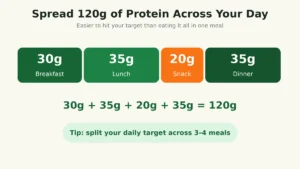
Instead of eating all your protein in one meal, spreading intake throughout the day may be a more practical approach.
Example:
Daily target:
120 grams of protein
Possible distribution:
| Meal | Protein |
| Breakfast | 30g |
| Lunch | 35g |
| Snack | 20g |
| Dinner | 35g |
Best High-Protein Foods to Reach Your Daily Target
Knowing your protein goal is only the first step.
The next question is:
“How do I actually reach my protein target?”
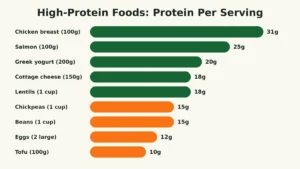
Here are common protein-rich foods:
| Food | Serving Size | Protein |
| Chicken breast | 100g | ~31g |
| Salmon | 100g | ~25g |
| Eggs | 2 large eggs | ~12g |
| Greek yogurt | 200g | ~20g |
| Cottage cheese | 150g | ~18g |
| Lentils | 1 cup cooked | ~18g |
| Chickpeas | 1 cup cooked | ~15g |
| Tofu | 100g | ~10g |
| Beans | 1 cup cooked | ~15g |
Protein Calculator for Vegetarians and Vegans
You do not need animal products to reach your protein goal.
Vegetarians and vegans can meet their protein requirements by choosing a variety of plant-based protein sources.
Good options include:
Lentils
A great source of:
- Protein
- Fiber
- Minerals
Beans and Chickpeas
Useful for:
- Meals
- Salads
- Soups
Tofu and Tempeh
Soy-based foods provide complete protein sources and are popular meat alternatives.
Plant Protein Powder
Options include:
- Pea protein
- Soy protein
- Rice protein
These can be convenient for people who struggle to reach their daily protein target through food alone.
Protein Powder vs Whole Foods: Which Is Better?
Both can be useful depending on your lifestyle.
| Whole Foods | Protein Powder |
| Provides additional nutrients | Convenient |
| More filling | Easy after workouts |
| Requires preparation | Quick option |
The best approach is usually using whole foods as the foundation and supplements as a convenient addition when needed.
Common Protein Mistakes People Make
Even people who track protein sometimes make mistakes.
Mistake 1: Eating Too Little Protein
Some people focus only on calories and forget protein.
Result:
- Poor recovery
- More hunger
- Difficulty maintaining muscle
Mistake 2: Eating All Protein in One Meal
Your daily protein goal matters, but spreading intake across meals can make it easier to consistently reach your target.
Mistake 3: Depending Only on Protein Shakes
Protein shakes can be useful, but they should not replace a balanced diet.
Whole foods provide:
- Vitamins
- Minerals
- Fiber
- Other important nutrients
Mistake 4: Ignoring Exercise
Protein supports muscle repair, but exercise provides the signal for your body to build muscle.
Mistake 5: Assuming More Protein Is Always Better
More protein is not automatically better.
Your ideal amount depends on:
- Your body
- Your goals
- Your activity level
- Your overall diet
How Accurate Is a Protein Calculator?
A protein calculator provides an estimate, not a perfect medical measurement.
Your actual protein needs may change depending on:
- Body composition
- Training intensity
- Age
- Health conditions
- Lifestyle
A calculator is a useful starting point because it gives you a realistic target instead of guessing.
For example:
Two people weighing 70 kg may have different needs:
Person A:
- Office worker
- No exercise
Person B:
- Strength training 5 days/week
Their protein targets may be different even though their weight is the same.
How We Created This Protein Calculator
At Fit4Rever, our goal is to make nutrition information easier to understand and apply in real life.
This protein calculator is designed using commonly used protein intake ranges based on:
- Body weight
- Activity level
- Fitness goals
- Lifestyle factors
Instead of providing a one-size-fits-all recommendation, the calculator helps users understand how protein requirements change depending on their personal goals.
Whether you are trying to lose weight, gain muscle, improve fitness performance, or maintain a healthy lifestyle, your protein target should match your individual needs.
Medical Disclaimer
The information provided by this protein calculator is for educational purposes only and should not be considered medical advice. Protein requirements can vary depending on individual health conditions, body composition, activity level, and personal goals. If you have a medical condition or specific dietary needs, consult a qualified healthcare professional before making significant changes to your diet.
Frequently Asked Questions (FAQ Schema)
How does a protein calculator work?
A protein calculator estimates your daily protein needs using factors such as body weight, activity level, and fitness goals. It provides a recommended protein range instead of a random number.
How much protein should I eat per day?
Most adults need around 0.8–2.2 grams of protein per kilogram of body weight depending on their activity level and goals.
People who exercise regularly or want to build muscle often need more protein than inactive individuals.
How much protein do I need for weight loss?
For people trying to lose weight, a common recommendation is around 1.2–1.6 grams of protein per kilogram of body weight, especially when combined with exercise.
How much protein do I need to build muscle?
People focused on muscle growth commonly use a range of around 1.6–2.2 grams of protein per kilogram of body weight along with resistance training.
Is a protein calculator accurate?
A protein calculator provides a useful estimate based on general nutrition guidelines. Your exact needs may vary depending on your body composition, health, training, and lifestyle.
Can women use the same protein calculator as men?
Yes. Protein needs are mainly determined by body weight, activity level, and goals rather than gender alone.
Can I get enough protein without supplements?
Yes. Many people can reach their protein goals through foods such as:
- Eggs
- Fish
- Meat
- Dairy
- Beans
- Lentils
- Tofu
Protein supplements are simply a convenient option.
Conclusion: Find Your Ideal Protein Intake
Protein plays an important role in supporting your health, fitness, and body composition goals.
However, there is no single protein amount that works for everyone.
Your ideal intake depends on:
- Your body weight
- Your activity level
- Your fitness goal
- Your lifestyle
A protein calculator gives you a simple starting point so you can understand your daily protein needs and create a better nutrition strategy.
Whether your goal is losing weight, gaining muscle, improving performance, or maintaining a healthy lifestyle, knowing your protein target can help you make smarter decisions.
Instead of guessing how much protein you need, calculate your personalized recommendation today.
Calculate Your Daily Protein Needs Now
Enter your weight, activity level, and fitness goal to discover your recommended daily protein intake.
