
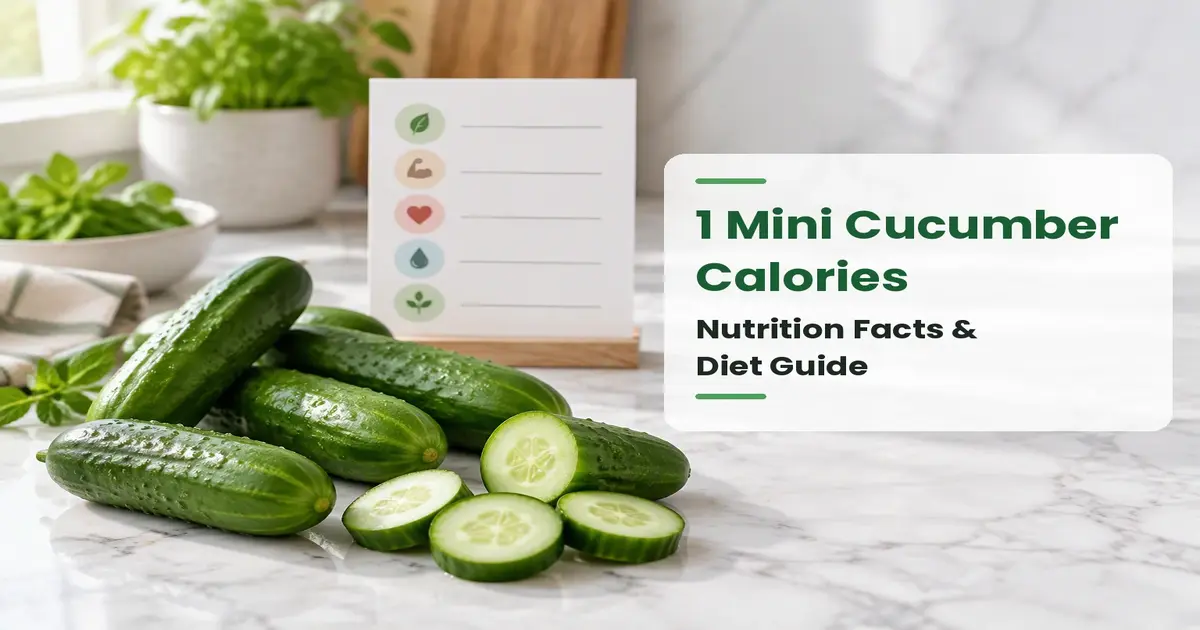
If you are counting calories, preparing healthy meals, or looking for a crunchy low-calorie snack, mini cucumbers are one of the easiest foods to include in your daily diet. They are refreshing, naturally low in calories, high in water content, and convenient enough to carry anywhere.
Many people searching for 1 mini cucumber calories are usually trying to answer a simple question: Can I eat mini cucumbers while following a healthy eating or weight-loss plan?
The short answer is yes.
One average 1 mini cucumber calorie contains approximately 10–15 calories, depending on its size and weight. Even though it contains very few calories, it still provides useful nutrients such as fiber, vitamin K, potassium, and hydration.
Mini cucumbers are popular among fitness enthusiasts, people following calorie-controlled diets, and anyone looking for healthier alternatives to processed snacks. They can be eaten raw, added to salads, packed in lunch boxes, or combined with protein-rich foods like hummus, yogurt dips, eggs, and chicken.
The exact nutritional value can vary depending on the cucumber variety and serving size. For accurate calorie tracking, it is better to consider both the cucumber’s weight and whether you eat it with the peel. Nutrition databases such as USDA FoodData Central provide food composition information based on analyzed food samples and nutrient data. FoodData Central
Quick Answer: How Many Calories Are in 1 Mini Cucumber?
1 mini cucumber contains approximately 10–15 calories.
The calorie amount depends on the size:
| Mini Cucumber Size | Approximate Calories |
|---|---|
| Small mini cucumber (50g) | 8 calories |
| Average mini cucumber (60–80g) | 10–12 calories |
| Large mini cucumber (100g) | Around 15 calories |
A mini cucumber is considered a low-calorie food because most of its weight comes from water. Raw cucumber with peel contains about 95% water, which helps explain why it provides volume without adding many calories. Wikipedia
For someone trying to maintain a calorie deficit, mini cucumbers can be a smart snack choice because they allow you to eat a satisfying portion while keeping calories low.
What Is a Mini Cucumber?
A mini cucumber is a smaller variety of cucumber that is usually shorter, thinner, and more convenient than standard cucumbers.
Common names include:
- Mini cucumber
- Baby cucumber
- Persian cucumber
- Snack cucumber
They are usually:
- 3–6 inches long
- Crisp in texture
- Mild in flavor
- Thin-skinned
- Easy to eat without peeling
Unlike large cucumbers that are often sliced for salads, mini cucumbers are commonly eaten whole. This makes them popular for:
- School lunches
- Office snacks
- Meal preparation
- Fitness diets
- Travel snacks
Many people prefer mini cucumbers because they require almost no preparation. You can wash them, pack them, and eat them whenever you need a quick, healthy option.
1 Mini Cucumber Calories by Weight and Serving Size
When tracking food intake, measuring by weight is often more accurate than counting individual pieces because mini cucumbers can differ in size.
Below is an estimated calorie guide:
| Amount | Weight | Calories |
|---|---|---|
| Half mini cucumber | 30–40g | 5–6 calories |
| 1 mini cucumber | 60–80g | 10–12 calories |
| 2 mini cucumbers | 120–160g | 20–25 calories |
| 3 mini cucumbers | 180–240g | 30–45 calories |
| 100g mini cucumber | 100g | About 15 calories |
If you are searching for mini cucumber calories per 100g, the answer is approximately 15 calories per 100 grams.
This makes mini cucumbers one of the lowest-calorie vegetables available for everyday meals.
For comparison:
- 100g mini cucumber → about 15 calories
- 100g potato chips → around 500+ calories
- 100g chocolate → around 500 calories
The difference makes mini cucumbers a useful option for people who want more food volume without consuming excess calories.
1 Mini Cucumber Calories Nutrition Facts
Although mini cucumbers are low in calories, they still provide several important nutrients.
Approximate nutrition for 100g raw cucumber with peel:
| Nutrient | Amount |
|---|---|
| Calories | 15 kcal |
| Carbohydrates | 3.6g |
| Protein | 0.6–0.7g |
| Fat | 0.1g |
| Fiber | 0.5–1g |
| Sugar | About 1.5–2g |
| Water | Around 95g |
These values are similar to standard cucumber nutrition because the main difference between varieties is usually size rather than nutritional composition. USDA-based nutrition data lists raw cucumber with peel at roughly 15 calories per 100g with about 3.6g carbohydrates and 0.65g protein. RawPawIQ
How Many Carbs Are in 1 Mini Cucumber?
People following keto, low-carb, or fitness diets often search for 1 mini cucumber carbs.
One average 1 mini cucumber calories contains approximately:
- 2–3 grams of carbohydrates
- Less than 2 grams of natural sugar
- Around 0.5 grams of fiber
Because cucumbers are mostly water and contain relatively few carbohydrates, they can easily fit into many low-carb eating plans.
For example, a low-carb snack could include:
- 2 mini cucumbers
- Greek yogurt dip
- Herbs
- Lemon juice
This combination provides crunch, freshness, and flavor without adding many carbohydrates.
Calories in a Mini Cucumber With Peel
Many people wonder whether peeling a cucumber changes the calorie amount.
The answer is: not significantly.
The calories in a mini cucumber with peel are usually around 10–15 calories, depending on size.
Keeping the peel may provide additional benefits because the skin contains:
- Extra fiber
- Plant compounds
- Additional texture
For most people, washing the cucumber properly and eating it with the peel is an easy way to keep more nutrients in the food.
However, if you prefer peeled cucumber because of taste or digestion preferences, the calorie difference is very small.
Are Mini Cucumbers Good for Weight Loss?
Yes, mini cucumbers can support a weight-loss-friendly diet because they are low in calories and high in water.
However, it is important to understand that mini cucumbers themselves do not burn fat. Weight loss happens when your overall calorie intake is lower than the energy your body uses.
Mini cucumbers can help because they make healthy eating easier.
1. They Provide More Food for Fewer Calories
A person trying to lose weight often struggles with hunger. Low-calorie vegetables can help increase meal volume.
For example:
A salad containing:
- Mini cucumbers
- Lettuce
- Tomatoes
- Chicken breast
can create a large, filling meal while keeping calories controlled.
2. They Replace High-Calorie Snacks
Instead of eating:
- Chips
- Cookies
- Candy bars
- Fried snacks
you can choose:
- Mini cucumbers
- Carrot sticks
- Celery
- Greek yogurt dips
This simple replacement can reduce daily calorie intake.
3. They Are Easy to Include Daily
Many healthy foods require cooking or preparation. Mini cucumbers are different.
You can:
- Add them beside breakfast
- Put them in lunch boxes
- Eat them after workouts
- Add them to dinner plates
Their convenience makes healthy habits easier to maintain.
1 Mini Cucumber Calories Benefits, Comparisons, Diet Uses & Healthy Meal Ideas
How Many Calories Are in 3 Mini Cucumbers?
A common question among people tracking their food intake is: How many calories are in 3 mini cucumbers?
The answer depends on the size of each cucumber, but generally:
| Amount | Approximate Weight | Calories |
|---|---|---|
| 1 mini cucumber | 60–80g | 10–15 calories |
| 2 mini cucumbers | 120–160g | 20–30 calories |
| 3 mini cucumbers | 180–240g | 30–45 calories |
So, 3 mini cucumber calories are usually around 30–45 calories.
This makes three mini cucumbers a very low-calorie snack compared with many processed snack options.
For example:
| Snack | Approximate Calories |
|---|---|
| 3 mini cucumbers | 30–45 calories |
| Small chocolate bar | 150–250 calories |
| Potato chips (small bag) | 150–200 calories |
| Cookies (3–4 pieces) | 150+ calories |
If you are trying to reduce your daily calorie intake, replacing high-calorie snacks with vegetables like mini cucumbers can be a simple but effective strategy.
Mini Cucumber vs Regular Cucumber: Calories and Nutrition Comparison
Mini cucumbers and regular cucumbers are very similar when it comes to nutrition. The biggest differences are their size, texture, convenience, and how people use them.
Regular cucumbers are often:
- Longer
- Larger in diameter
- Used mainly for salads
Mini cucumbers are:
- Smaller
- Easier to carry
- Usually eaten whole
- Convenient for portion control
Here is a general comparison:
| Cucumber Type | Average Weight | Calories | Protein |
|---|---|---|---|
| Mini cucumber | 60–80g | 10–12 kcal | 0.4–0.6g |
| Small cucumber | 100g | 15 kcal | 0.7g |
| Medium cucumber | 200g | 30 kcal | 1.3g |
| English cucumber | 300g | 45 kcal | 2g |
When comparing 1 small cucumber calories and protein, a small cucumber usually contains slightly more calories and protein simply because it weighs more than a mini cucumber.
The difference is not because one type is significantly healthier. Both can be excellent choices as part of a balanced diet.
Are Mini Cucumbers Keto-Friendly?
Yes, mini cucumbers are generally considered a keto-friendly vegetable because they contain:
- Very low carbohydrates
- Minimal sugar
- High water content
- Few calories
People following ketogenic diets often look for foods that provide crunch and flavor without adding many carbs. Mini cucumbers are a good replacement for higher-carbohydrate snack foods.
A 1 mini cucumber calories usually contains only a few grams of carbohydrates, making it easy to include in a low-carb meal plan.
Keto-Friendly Mini Cucumber Snack Ideas
1. Mini Cucumbers With Cream Cheese
Ingredients:
- 2–3 sliced mini cucumbers
- Cream cheese
- Black pepper
- Fresh herbs
This creates a creamy, crunchy snack with very low carbohydrates.
2. Cucumber and Tuna Bowl
Combine:
- Chopped mini cucumbers
- Tuna
- Greek yogurt
- Lemon juice
- Herbs
This option adds protein while keeping the meal low in carbohydrates.
3. Cucumber Egg Salad
Mix:
- Boiled eggs
- Chopped mini cucumbers
- Greek yogurt or light mayonnaise
- Seasoning
This is a filling meal option for people following low-carb diets.
Health Benefits of Mini Cucumbers
Mini cucumbers are not a miracle food, but they can contribute to a healthier overall diet because they provide hydration, nutrients, and a low-calorie way to increase vegetable intake.
Let’s look at some of the main benefits.
1. Helps Support Hydration
One of the biggest benefits of mini cucumbers is their high water content.
Cucumbers are made up of approximately 95% water, which helps make them refreshing and light.
Adding water-rich foods to your diet can be useful, especially:
- During hot weather
- After exercise
- When you need refreshing foods
For example, a person who works outdoors or exercises regularly may enjoy mini cucumbers because they provide a cool and hydrating snack option.
However, they should not replace drinking enough water throughout the day.
2. Supports Healthy Digestion
Mini cucumbers provide a small amount of fiber, especially when eaten with the peel.
Fiber is an important part of a balanced diet because it supports normal digestive function.
You can increase the fiber value of a meal by combining mini cucumbers with other fiber-rich foods such as:
- Beans
- Whole grains
- Vegetables
- Fruits
A simple example:
A salad containing:
- Mini cucumbers
- Chickpeas
- Tomatoes
- Greens
provides more fiber and nutrients than eating cucumber alone.
3. Provides Important Vitamins and Minerals
Although mini cucumbers are not high-calorie nutrient sources, they still provide small amounts of beneficial nutrients.
Important nutrients include:
Vitamin K
Vitamin K contributes to normal body functions and is commonly found in green vegetables.
Potassium
Potassium is an essential mineral involved in normal fluid balance and muscle function.
Vitamin C
Mini cucumbers contain small amounts of vitamin C, which contributes to normal immune system function.
4. Helps Increase Vegetable Intake
Many people struggle to eat enough vegetables because they require preparation.
Mini cucumbers solve this problem because they are:
- Easy to wash
- Easy to store
- Ready to eat
- Portable
Keeping a container of mini cucumbers available can make it easier to choose healthier snacks.
How to Add Mini Cucumbers to Your Daily Diet
Mini cucumbers are extremely versatile. You can use them in simple meals without complicated recipes.
Breakfast Ideas
Mini Cucumbers With Eggs
A simple breakfast:
- Scrambled eggs
- Mini cucumbers
- Whole-grain toast
The eggs provide protein while the cucumber adds freshness and crunch.
Avocado Toast With Cucumber
Add sliced mini cucumber on top of:
- Whole-grain bread
- Mashed avocado
- Seasoning
This creates a balanced breakfast with healthy fats and vegetables.
Lunch Ideas
Chicken Cucumber Salad
Ingredients:
- Grilled chicken
- Mini cucumbers
- Lettuce
- Tomatoes
- Olive oil dressing
This is a high-protein meal suitable for fitness-focused diets.
Cucumber Wrap Filling
Add sliced mini cucumbers to:
- Chicken wraps
- Turkey sandwiches
- Tuna wraps
They add texture without many extra calories.
Snack Ideas
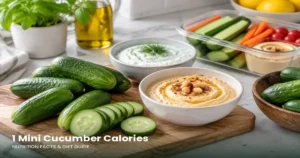
Mini Cucumbers With Hummus
A popular combination:
Ingredients:
- 2–3 mini cucumbers
- 2 tablespoons hummus
Benefits:
- Low calorie
- Contains healthy fats
- Provides more flavor
Greek Yogurt Cucumber Dip
Ingredients:
- Greek yogurt
- Chopped mini cucumber
- Lemon juice
- Garlic
- Herbs
This is a healthier alternative to many creamy dips.
Mini Cucumber Meal Prep Tips
If you prepare meals ahead of time, mini cucumbers can be very useful.
Storage Tips:
- Keep them refrigerated.
- Wash before eating.
- Store in a dry container.
- Avoid cutting them too early because they may lose their crunch.
For meal prep:
Prepare containers with:
- Protein source (chicken, eggs, fish)
- Complex carbohydrates (rice, quinoa, potatoes)
- Vegetables (mini cucumbers, carrots, greens)
This creates balanced meals for busy schedules.
1 Mini Cucumber Calories Calculator
A simple way to estimate your intake is:
Calories = Number of mini cucumbers × average calories per cucumber
Example:
If one mini cucumber contains approximately 12 calories:
- 1 mini cucumber = 12 calories
- 2 mini cucumbers = 24 calories
- 3 mini cucumbers = 36 calories
- 5 mini cucumbers = 60 calories
For more accurate tracking, use weight:
Approximately 15 calories per 100 grams
For people using calorie tracking apps, weighing your cucumber before eating will provide the most accurate estimate.
Frequently Asked Questions About 1 Mini Cucumber Calories
How many calories are in 1 mini cucumber?
1 mini cucumber contains approximately 10–15 calories, depending on its size and weight.
A smaller mini cucumber around 50 grams may contain about 8 calories, while a larger 100-gram mini cucumber may contain around 15 calories.
For accurate calorie tracking, it is best to check the weight of your cucumber because different varieties can have slightly different sizes.
How many calories are in 2 mini cucumbers?
Two mini cucumbers usually contain approximately 20–30 calories.
The exact amount depends on their size:
- Small mini cucumbers: closer to 20 calories
- Larger mini cucumbers: closer to 30 calories
This makes them a convenient low-calorie snack for people managing their daily calorie intake.
How many calories are in 3 mini cucumbers?
The average 3 mini cucumber calories amount is around 30–45 calories.
Three mini cucumbers can be a good snack choice because they provide:
- Crunch
- Hydration
- Volume
- Very few calories
They can easily fit into weight-loss, fitness, and healthy eating plans.
How many calories are in a mini cucumber with peel?
The calories in a mini cucumber with peel are usually around 10–15 calories.
The peel contributes very few additional calories but may provide:
- Extra fiber
- Plant nutrients
- More texture
Many people prefer eating mini cucumbers with the peel because they require less preparation and retain more of the natural vegetable.
How many carbs are in 1 mini cucumber?
The amount of 1 mini cucumber carbs is usually around 2–3 grams, depending on the size.
An average mini cucumber contains:
- Carbohydrates: 2–3g
- Fiber: Around 0.5g
- Sugar: Less than 2g
Because of their low carbohydrate content, mini cucumbers can be suitable for many low-carb and keto-friendly meal plans.
Are mini cucumbers good for weight loss?
Yes, mini cucumbers can support weight-loss goals because they are:
- Low in calories
- High in water
- Easy to include in meals
- A healthier alternative to many processed snacks
However, eating mini cucumbers alone will not cause weight loss. Successful weight management depends on your overall eating pattern, activity level, and maintaining an appropriate calorie balance.
Are mini cucumbers healthier than regular cucumbers?
Both mini cucumbers and regular cucumbers are healthy vegetables with similar nutritional profiles.
The main differences are:
Mini cucumbers:
- Smaller size
- Easier portion control
- Convenient snack option
- Usually eaten whole
Regular cucumbers:
- Larger size
- Better for salads and recipes
- Often sliced or chopped
Neither is automatically healthier. The better choice depends on your personal preference and how you use them.
Can I eat mini cucumbers every day?
Yes, most people can include mini cucumbers daily as part of a balanced diet.
They are a simple way to increase vegetable intake while keeping calories low.
You can add them to:
- Breakfast
- Lunch
- Dinner
- Snacks
A healthy diet should still include a variety of vegetables, fruits, proteins, and whole foods.
Do mini cucumbers help burn belly fat?
No food can specifically target belly fat.
Mini cucumbers may support weight management because they are low in calories and can help replace higher-calorie snacks.
Reducing body fat usually requires:
- Balanced nutrition
- Regular physical activity
- Adequate sleep
- Consistent calorie management
How many calories and how much protein are in 1 small cucumber?
When comparing 1 small cucumber calories and protein, a small cucumber usually contains:
- Calories: Around 15–20 kcal
- Protein: Approximately 0.7g
- Carbohydrates: Around 3–4g
A small cucumber may contain slightly more calories and protein than a mini cucumber because it usually weighs more.
Expert Tips for Including Mini Cucumbers in a Healthy Diet
Mini cucumbers are simple, but using them strategically can make your meals more enjoyable.
Here are some practical tips:
Pair Cucumbers With Protein
Because cucumbers are very low in calories, combining them with protein can create a more balanced snack.
Good combinations:
- Cucumber + boiled eggs
- Cucumber + Greek yogurt
- Cucumber + tuna
- Cucumber + chicken
Protein helps create more satisfying meals and supports an active lifestyle.
Add Healthy Fats for Better Flavor
Mini cucumbers pair well with healthy fats.
Examples:
- Olive oil dressing
- Avocado
- Hummus
- Nuts
This creates meals with better taste and more balanced nutrition.
Use Them for Meal Preparation
If you often get hungry between meals, preparing healthy snacks ahead of time can help.
A simple meal-prep container:
- 3 mini cucumbers
- Carrot sticks
- Boiled eggs
- Hummus
This provides a convenient snack that is much lower in calories than many packaged foods.
Final Thoughts: Are Mini Cucumbers Worth Adding to Your Diet?
Understanding 1 mini cucumber calories can make calorie tracking much easier, especially if you are focused on healthy eating, fitness, or weight management.
With approximately 10–15 calories per mini cucumber, they are one of the easiest foods to include in a low-calorie diet. They provide hydration, crunch, and small amounts of important nutrients without adding many calories.
Mini cucumbers are especially useful because they are:
- Easy to prepare
- Convenient to carry
- Naturally low in calories
- Suitable for many diet styles
Whether you enjoy them as a snack, add them to salads, or combine them with protein-rich foods, mini cucumbers can be a simple addition to a balanced lifestyle.
Medical Disclaimer:
The information provided in this article is for general educational and informational purposes only and should not be considered medical advice. Nutrition values, calorie amounts, and health benefits may vary depending on food variety, size, preparation method, and individual dietary needs.
This article does not diagnose, treat, prevent, or cure any medical condition. If you have specific health concerns, allergies, medical conditions, or dietary restrictions, consult a qualified healthcare professional, registered dietitian, or medical provider before making significant changes to your diet.
