

Complete Nutrition and Food Guide | Health, Fitness, and Healthy Eating
Also known as pitaya or pitahaya, cactus fruit comes from a climbing cactus and offers dietary fiber, vitamin C, and other nutrients. Its mild sweetness makes it easy to enjoy on its own, blend into a smoothie, or add to a fruit bowl.
If you’re trying to eat healthier, manage your weight, or add something different to your meals, it’s worth getting to know pitaya fruit. Let’s look at its varieties, nutritional value, potential health benefits, taste, and the easiest ways to choose, prepare, and enjoy it.
What Is Dragon Fruit?
Dragon fruit is a tropical fruit that grows on climbing cactus plants belonging to the Selenicereus genus, formerly commonly classified under Hylocereus. It is native to the Americas but is now cultivated in several tropical and subtropical regions around the world.
The fruit is easy to recognize. Depending on the variety, it has bright pink, red, or yellow skin covered with leafy-looking scales. Inside, you’ll usually find white or red flesh dotted with tiny black seeds.
Those seeds are edible, so there’s no need to pick them out before eating.
Cactus fruit is also called pitaya or pitahaya. You may see these names used interchangeably at grocery stores, farmers’ markets, and fruit shops.
One reason people enjoy it is its versatility. You can eat it fresh, add it to smoothies, freeze it for later, or combine it with other fruits for a refreshing snack.
What Does Dragon Fruit Taste Like?
Dragon fruit has a mild, refreshing flavor. Most varieties are lightly sweet rather than intensely sugary, with a soft texture that some people compare to kiwi, pear, or melon.
The tiny black seeds add a slight crunch, similar to the seeds in kiwi fruit.
However, not every cactus fruit tastes the same. Its flavor depends on the variety, growing conditions, and ripeness.
White-fleshed pitaya: Usually mild and subtly sweet.
Red-fleshed Cactus fruit: Often has a more noticeable sweetness, although this varies.
Yellow dragon fruit: Commonly known for its sweeter flavor.
If you prefer strongly flavored fruit, white cactus fruit might seem a little bland at first. Try it chilled or combine it with pineapple, strawberries, or citrus fruits to give it more flavor.
What Are the Different Types of Dragon Fruit?
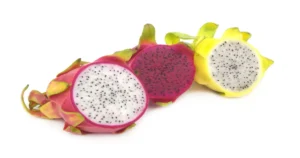
Not all cactus fruit looks or tastes the same. The biggest differences are usually the skin color, flesh color, sweetness, and texture.
You’ll commonly come across three types when shopping.
1. White Dragon Fruit
White cactus fruit has bright pink or reddish skin with white flesh and tiny black seeds. It’s one of the varieties you’ll often find in supermarkets.
Its flavor is mild and lightly sweet. The texture is soft and juicy, making it a good choice for fruit salads, smoothies, or eating with a spoon.
If you’ve never tried cactus fruit before, this is a familiar variety to start with.
2. Red Dragon Fruit
Red dragon fruit has pink skin and deep red, magenta, or purplish flesh. Its color comes partly from natural pigments called betalains.
The flavor is often sweeter than white-fleshed varieties, although sweetness depends on the particular cultivar and how ripe the fruit is.
One thing to remember: red flesh can stain your hands, cutting board, and clothes. It’s worth using a plate or washable cutting board when preparing it.
3. Yellow Dragon Fruit
Yellow pitaya looks quite different from the pink varieties. It has bright yellow skin, usually with more noticeable spines or small projections, and white flesh filled with black seeds.
Many people prefer its sweeter, more noticeable flavor. The flesh is juicy and soft, which makes it enjoyable on its own.
It’s often more expensive or harder to find in some supermarkets, depending on where you live.
Dragon Fruit Varieties Compared
| Feature | White | Red | Yellow |
|---|---|---|---|
| Skin | Pink/red | Pink/red | Yellow |
| Flesh | White | Red/magenta | White |
| Flavor | Mild, sweet | Often sweeter | Often quite sweet |
| Seeds | Edible | Edible | Edible |
| Common use | Fresh eating, smoothies | Bowls, smoothies | Fresh eating, desserts |
Which one should you choose?
It mostly comes down to personal preference. Choose white cactus fruit if you enjoy mild flavors, red dragon fruit if you want colorful fruit for smoothies, or yellow pitaya if you prefer a sweeter taste.
There isn’t enough evidence to say that one variety is automatically healthier for everyone.
Dragon Fruit Nutrition Facts

Dragon fruit contains a good amount of water and provides carbohydrates, dietary fiber, and several micronutrients. It’s also relatively low in fat.
Here’s an approximate nutritional breakdown for 100 grams of raw cactus fruit.
| Nutrient | Approximate amount |
|---|---|
| Calories | 68 kcal |
| Carbohydrates | 16.2 g |
| Dietary fiber | 1.8 g |
| Natural sugars | 12 g |
| Protein | 0.7 g |
| Total fat | 0.2 g |
| Water | 82.4 g |
Source: USDA FoodData Central-derived food composition data. Values vary by variety, growing conditions, and serving size.
How Many Calories Are in Dragon Fruit?
Cactus fruit is a relatively low-calorie fruit. A 100-gram portion provides approximately 68 calories according to the referenced food composition data.
The actual calories you eat depend on portion size.
For example, adding a few pitaya cubes to your breakfast yogurt won’t contribute the same amount of energy as eating a large fruit or making a smoothie with several additional ingredients.
If you’re tracking calories, measure the edible flesh rather than weighing the whole fruit with its skin.
How Much Sugar and Fiber Does Dragon Fruit Contain?
Dragon fruit contains naturally occurring sugars, along with dietary fiber.
The fiber is useful because it contributes to normal digestion and helps add bulk to stool. It also makes whole fruit a more satisfying snack than many sugary drinks.
If you’re watching your carbohydrate intake, remember that cactus fruit still contains carbohydrates. Portion size matters, particularly for people who need to monitor their blood glucose.
Vitamins, Minerals, and Antioxidants
Dragon fruit contains several nutrients that contribute to normal body functions.
Vitamin C: Helps support normal immune function and collagen formation.
Potassium: Plays a role in normal muscle function and fluid balance.
Magnesium: Supports normal muscle and nerve function.
Iron: Helps the body produce hemoglobin, which carries oxygen in the blood.
Antioxidant compounds: Different varieties contain compounds such as betalains and polyphenols.
Red-fleshed cactus fruit is particularly interesting because of its betalain pigments. These natural compounds give the flesh its distinctive color and have been studied for their antioxidant properties.
However, finding antioxidants in a fruit doesn’t automatically mean eating it prevents disease. The overall quality of your diet matters much more than any single food.
Potential Health Benefits of Dragon Fruit
Here are some potential benefits worth understanding.
1. May Support Digestive Health
One of the most practical reasons to include cactus fruit in your diet is its dietary fiber.
Fiber helps maintain normal bowel movements and supports digestive function. It also contributes to a healthy gut environment by providing food for certain beneficial gut bacteria.
If your usual diet doesn’t contain many fruits, vegetables, beans, or whole grains, adding cactus fruit can be one small way to increase your fiber intake.
Just don’t expect one serving to fix ongoing constipation or digestive problems. A varied, fiber-rich diet and adequate fluid intake are important too.
2. Provides Antioxidants
Dragon fruit contains natural plant compounds that have antioxidant activity.
Red-fleshed varieties contain betalains, while different varieties may also provide phenolic compounds and flavonoids.
Antioxidants help protect cells from oxidative damage caused by free radicals. This is one reason colorful fruits and vegetables are encouraged as part of a balanced diet.
Research on cactus fruit’s antioxidant compounds is interesting, but laboratory findings don’t necessarily prove that eating the fruit produces specific disease-prevention effects in humans.
3. May Contribute to Heart Health
A balanced diet that includes fruits, vegetables, whole grains, and other fiber-rich foods can support cardiovascular health.
Dragon fruit contributes some dietary fiber and potassium, both of which have useful nutritional roles.
Potassium helps regulate normal muscle and nerve function, including the activity of the heart. Fiber is also an important part of a heart-conscious eating pattern.
Still, cactus fruit shouldn’t be treated as a heart-health remedy. It works best as one part of an overall healthy diet.
4. May Help Support Healthy Blood Sugar Management
Dragon fruit contains fiber, but it also contains natural carbohydrates and sugars.
Some researchers have investigated whether eating cactus fruit may influence blood glucose levels.
A 2017 systematic review and meta-analysis examined four randomized controlled trials involving people with prediabetes or type 2 diabetes. It found a possible reduction in fasting blood glucose among participants with prediabetes, but the results for people with type 2 diabetes were not statistically significant.
The researchers also highlighted limitations in the available evidence and the need for better-quality studies.
So, while dragon fruit can be included in a balanced eating plan, it shouldn’t replace diabetes medication, medical advice, or a carefully planned diet.
5. Can Fit Into a Weight-Management Diet
If you’re trying to manage your weight, cactus fruit can be a convenient snack.
It contains a good amount of water and provides fiber without being especially calorie-dense. You can eat it instead of a more heavily processed snack or add it to a balanced breakfast.
For example, try combining pitaya with plain Greek yogurt and a small portion of nuts. You’ll get carbohydrates from the fruit alongside protein and healthy fats from the other ingredients.
But there’s no magic fat-burning effect here. Weight management depends on your overall energy intake, activity level, eating habits, sleep, and other factors.
6. Provides Nutrients That Support Normal Immune Function
Vitamin C contributes to normal immune system function and helps protect cells from oxidative stress.
Dragon fruit provides some vitamin C, although the amount can vary with the variety and growing conditions.
It’s a useful addition to a diet that includes other vitamin C sources, such as oranges, strawberries, kiwi, and bell peppers.
Eating cactus fruit alone won’t prevent infections, but it can contribute to your daily nutrient intake.
Potential Side Effects and Risks of Eating Dragon Fruit
Dragon fruit is generally suitable for most people as part of a varied diet. Still, there are a few things worth knowing.
Allergic reactions: Although uncommon, pitaya allergy is possible. Published case reports have documented serious allergic reactions, including anaphylaxis. If you experience hives, swelling, breathing difficulties, or other signs of a severe reaction after eating it, seek emergency medical care.
Digestive discomfort: Eating a large amount of fruit in one sitting may cause bloating or discomfort, particularly if you’re not used to consuming much fiber. Start with a normal serving and see how your body responds.
Blood sugar considerations: Cactus fruit contains carbohydrates and natural sugars. People managing diabetes should consider portion sizes and their individual meal plan.
Red or pink discoloration: Red-fleshed varieties contain natural pigments. These can contribute to temporary reddish or pink discoloration after consumption. If discoloration occurs without an obvious dietary explanation or comes with other symptoms, seek medical advice rather than assuming it’s harmless.
For most people, enjoying a reasonable serving of fresh cactus fruit is straightforward. If you have a known food allergy or a medical condition that requires dietary restrictions, check with your healthcare professional.
How to Choose a Ripe Dragon Fruit
Buying a good cactus fruit isn’t difficult once you know what to look for. The outside appearance can tell you quite a bit about its condition.
Here are a few things to check before putting one in your shopping basket.
1. Look at the skin color.
Choose fruit with a reasonably even, vibrant color. Pink and red varieties should have their characteristic bright skin, while yellow varieties should look naturally yellow.
2. Check the firmness.
Gently press the fruit with your fingers. A ripe cactus fruit should give slightly, much like a ripe kiwi or avocado. If it’s extremely hard, it may be underripe or simply an unripe fruit that was harvested too early.
3. Examine the leafy scales.
The green tips should generally look fresh rather than extremely dry or brittle. Some browning is normal as the fruit ages, but widespread damage can indicate poor quality.
4. Look for damaged areas.
Avoid fruit with deep cuts, leaking liquid, extensive bruising, or obvious mold. A few minor cosmetic marks don’t necessarily mean the fruit is bad.
5. Check its overall weight.
When comparing fruits of similar size, choose one that feels reasonably heavy. This can be a useful indication of moisture and freshness.
One important thing to know: pitaya generally doesn’t continue ripening after harvest. UC Davis explains that it is normally harvested close to its ripe stage. Leaving a hard fruit on your kitchen counter won’t necessarily make it sweeter.
How to Cut Dragon Fruit

If you’ve never prepared cactus fruit before, don’t worry. It’s actually easier to cut than it looks.
You don’t need a special kitchen tool. A clean knife, cutting board, and spoon are enough.
Follow these simple steps:
Wash the fruit: Rinse the outside under clean running water and gently rub away any dirt. Dry it with a clean towel.
Cut it in half: Place the fruit on a cutting board and slice it lengthwise through the middle.
Check the flesh: You’ll see white or red flesh dotted with tiny black seeds.
Scoop out the inside: Use a spoon to loosen the flesh from the skin, much like removing an avocado.
Cut into smaller pieces: Place the flesh on the cutting board and slice it into cubes, wedges, or bite-sized pieces.
That’s it. Your cactus fruit is ready to eat.
You can also peel away the skin with your fingers once the fruit is halved, provided it’s ripe enough to separate easily.
Remember that the skin isn’t normally eaten as part of the fruit. The soft flesh and tiny black seeds are the parts people commonly enjoy.
How to Eat Dragon Fruit
The easiest way to enjoy cactus fruit is to eat it fresh. Cut it into cubes, chill it for a while, and serve it as a snack.
But if you want to do something different, there are plenty of ways to use it in everyday meals.
1. Eat It Fresh
Cut the flesh into bite-sized pieces and enjoy it with a spoon or fork.
You can also refrigerate the fruit before serving if you prefer a cooler, more refreshing snack.
2. Add It to Smoothies
Dragon fruit works nicely in smoothies because its flavor doesn’t overpower other ingredients.
Try this simple combination:
100 g pitaya
1 small banana
150 ml milk or unsweetened plant milk
A few ice cubes
Blend everything until smooth. Add a little more liquid if you prefer a thinner consistency.
You can use frozen pitaya instead of fresh fruit, too.
3. Make a Dragon Fruit Smoothie Bowl
A smoothie bowl is a good breakfast option if you like something colorful and filling.
Blend frozen cactus fruit with half a banana and a little yogurt. Pour the mixture into a bowl and add your favorite toppings.
Good options include:
Chia seeds
Rolled oats
Sliced banana
Blueberries
Almonds
Unsweetened coconut flakes
If you’re looking for a more balanced breakfast, add a protein-rich ingredient such as Greek yogurt.
4. Add It to Fruit Salads
Dragon fruit pairs well with other tropical fruits.
Combine small cubes with pineapple, kiwi, mango, and strawberries. Add a little fresh lime juice if you want a brighter flavor.
It’s an easy way to prepare a colorful fruit salad for breakfast, an afternoon snack, or a summer gathering.
5. Use It in Desserts and Frozen Treats
You can also use cactus fruit in homemade popsicles, yogurt desserts, and fruit sorbets.
For a simple frozen treat, blend pitaya with a little lemon juice and water, pour it into popsicle molds, and freeze until solid.
There’s no need to add much sugar if the fruit is already sweet enough.
6. Try It in Savory Dishes
Cactus fruit doesn’t have to be limited to sweet recipes.
Its mild flavor works with ingredients such as cucumber, lime, fresh herbs, and avocado.
You can use small pieces in a refreshing salsa and serve it alongside grilled fish or other savory meals.
How to Store Dragon Fruit
Dragon fruit tastes best when it’s fresh, so proper storage makes a difference.
Storing whole cactus fruit
Keep whole fruit in a cool place if you’re planning to eat it soon. If you want to preserve its quality for longer, refrigeration is generally a practical option.
Avoid leaving it in direct sunlight or near a heat source.
Storing cut dragon fruit
Once you’ve cut the fruit:
Place the flesh in a clean, airtight container.
Keep it refrigerated.
Use a clean spoon or utensil when serving.
Avoid leaving cut fruit at room temperature for extended periods.
Can You Freeze Dragon Fruit?
Yes. Freezing is a convenient option if you have more fruit than you can eat.
Cut the flesh into cubes, spread the pieces on a tray, and freeze them until solid. Transfer the frozen pieces into a suitable freezer bag or airtight container.
Frozen cactus fruit works especially well in smoothies and smoothie bowls.
Its texture may become softer after thawing, so fresh fruit is usually better when you want firm cubes for a fruit salad.
Can You Eat Dragon Fruit Skin and Seeds?
The small black seeds inside dragon fruit are completely edible for most people. They are soft, tiny, and usually eaten along with the flesh.
There’s no need to remove them before making smoothies, fruit salads, or other recipes.
The skin is a different matter. Although research has explored the nutritional compounds found in pitaya peel, the skin isn’t commonly eaten like the flesh.
Some food preparations use processed peel or extracts, but that doesn’t mean you should assume raw peel is a proven health food.
For everyday eating, stick with the flesh and seeds. Wash the outside before cutting to reduce the chance of transferring dirt or contaminants to the edible portion.
Fresh vs. Frozen Dragon Fruit: Which Is Better?
Both fresh and frozen pitaya can be useful choices. The better option depends on how you plan to eat it.
| Comparison | Fresh dragon fruit | Frozen dragon fruit |
|---|---|---|
| Texture | Soft and juicy | Softer after thawing |
| Convenience | Needs washing and cutting | Usually ready to use |
| Best for | Fresh snacks and fruit salads | Smoothies and smoothie bowls |
| Storage | Refrigerated for short-term use | Suitable for longer freezer storage |
| Availability | Depends on season and location | Often available year-round |
If you enjoy eating Cactus fruit with a spoon or adding it to fruit salads, fresh fruit is a good choice.
If you regularly make smoothies, frozen Cactus fruit can save time and reduce waste.
Just check the packaging when buying frozen products. Some commercially prepared fruit mixes contain added sugar or other ingredients.
There isn’t a universal nutritional winner. The actual nutritional value depends on the fruit, processing, storage, and any ingredients added to the product.
Frequently Asked Questions About Dragon Fruit
Is dragon fruit healthy to eat every day?
Yes, most people can enjoy dragon fruit regularly as part of a balanced diet. It provides water, fiber, vitamin C, and other plant compounds. Just vary your fruit choices rather than relying on one fruit every day.
How many calories are in one dragon fruit?
It depends on the size. A 100-gram portion contains approximately 68 calories in the referenced USDA-derived data. A larger fruit will naturally provide more calories.
Is dragon fruit high in sugar?
Dragon fruit contains natural sugars. The referenced nutritional data lists approximately 12 grams of sugar per 100 grams. It also contains fiber, so it isn’t nutritionally equivalent to a sugary soft drink.
Is dragon fruit good for digestion?
It provides dietary fiber, which supports normal bowel movements and digestive health. However, it isn’t a treatment for digestive disorders or persistent constipation.
Can you eat dragon fruit seeds?
Yes. The small black seeds are edible and can be eaten with the flesh. You don’t need to remove them before making smoothies or fruit salads.
Is yellow dragon fruit sweeter than red Pitaya?
Yellow Cactus fruit is often described as sweeter than common white-fleshed varieties. Red dragon fruit can also be quite sweet. The actual taste depends on the cultivar and ripeness.
Can dragon fruit help with weight loss?
Dragon fruit can fit into a weight-management diet because it contains water, fiber, and a relatively modest number of calories. However, it doesn’t directly burn body fat. Your overall eating habits and energy balance matter more.
Can you eat dragon fruit at night?
Yes. There’s no established reason most healthy people need to avoid dragon fruit at night. You can enjoy a normal portion as an evening snack if it suits your appetite and digestion.
Does dragon fruit change the color of your urine?
Red-fleshed cactus fruit contains natural pigments, but you shouldn’t automatically attribute unusual urine discoloration to food. If you notice persistent red or pink urine, seek medical advice to rule out other causes.
How do you know when dragon fruit has gone bad?
Look for mold, leaking liquid, an unpleasant smell, extensive soft or mushy areas, and deteriorating flesh. Slightly dry skin or some browning on the scales alone doesn’t necessarily mean the fruit is spoiled.
Can you freeze fresh dragon fruit?
Absolutely. Remove the skin, cut the flesh into cubes, and freeze the pieces in an airtight container. Frozen cactus fruit is particularly useful for smoothies and smoothie bowls.
Final Thoughts: Is Dragon Fruit Worth Adding to Your Diet?
Dragon fruit is more than just a pretty tropical fruit. It provides fiber, vitamin C, water, and naturally occurring plant compounds that make it a useful addition to everyday meals.
Whether you prefer the mild flavor of white Pitaya, the colorful flesh of red pitaya, or the sweeter taste of yellow dragon fruit, there’s a variety worth trying.
You don’t need complicated recipes to enjoy it, either. Cut it in half, scoop out the flesh, and eat it fresh. Add it to yogurt, blend it into a smoothie, or freeze a few cubes for later.
The best approach is simple: enjoy cactus fruit alongside other fruits, vegetables, protein sources, and whole foods. A balanced diet isn’t built around one superfood. It’s built around the choices you make consistently.
Have you tried dragon fruit before? Try a variety you haven’t tasted, add it to your next breakfast, and see which one you like best.
